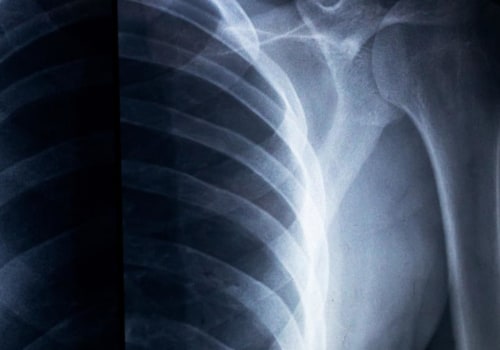
Artificial intelligence is rapidly changing how healthcare professionals analyze information, identify potential concerns, and make informed decisions about patient care. In clinical environments, physicians often need to evaluate large amounts of information within a limited amount of time, including medical histories, laboratory results, imaging studies, medications, symptoms, and previous diagnoses. AI-powered systems can help organize and analyze this information quickly, highlighting patterns or abnormalities that may deserve closer attention. Rather than replacing physicians, these technologies can function as supportive tools that make relevant information easier to access and interpret. By reducing the time required to review complex datasets, artificial intelligence can help clinicians move more efficiently from assessment to diagnosis and treatment planning.
Analyzing Patient Data More Efficiently
One of the most important applications of artificial intelligence in healthcare involves data analysis. Modern medical facilities generate significant amounts of patient information, and manually reviewing every detail can be time-consuming. AI systems can process structured and unstructured data, helping healthcare professionals recognize trends that might otherwise require extensive review. For example, algorithms may assist with evaluating laboratory results, identifying changes in vital signs, or examining medical images for characteristics associated with certain conditions. These capabilities can be particularly useful when clinicians are working with complicated cases or managing multiple patients. Medical practices such as Piris Medical Center - Florida Blue doctor in Miami can operate within a healthcare environment where technology increasingly supports physicians in accessing and evaluating information efficiently while maintaining the importance of professional clinical judgment.
Supporting Earlier Identification of Health Concerns
Faster clinical decision-making can also contribute to earlier recognition of potential health problems. AI-based tools may compare current patient information with historical data or established clinical patterns to identify possible warning signs. When unusual changes are detected, healthcare professionals can investigate them more quickly instead of waiting until symptoms become more pronounced. In areas such as radiology, cardiology, and emergency medicine, rapid analysis can be especially valuable because timely decisions may influence the next steps in care. Predictive analytics can also help clinicians estimate the likelihood of certain complications, giving healthcare teams additional information when deciding whether further testing, monitoring, or intervention may be appropriate.
Reducing Administrative Burdens
Clinical decisions are influenced not only by medical knowledge but also by how efficiently physicians can access accurate patient information. Artificial intelligence can help reduce repetitive administrative work through automated documentation, information retrieval, appointment prioritization, and clinical note organization. When physicians spend less time searching through records or completing routine documentation, they may have more time to focus on patient interaction and clinical reasoning. AI-assisted systems can also summarize lengthy medical records, allowing healthcare providers to quickly review important diagnoses, medications, allergies, and previous treatments before making decisions.
Combining Technology With Clinical Expertise
Although artificial intelligence offers significant advantages, effective healthcare still depends on qualified professionals interpreting information within the context of each individual patient. AI recommendations may contain errors, reflect limitations in training data, or fail to account for circumstances that a physician recognizes during an examination. For this reason, artificial intelligence is most valuable when used as a decision-support resource rather than an independent decision-maker. By combining faster data processing with medical expertise, healthcare organizations can create more efficient clinical workflows while preserving human oversight. As AI technology continues to develop, its ability to organize information, identify patterns, and support timely assessments may help physicians make faster, better-informed decisions while keeping personalized patient care at the center of the healthcare process.