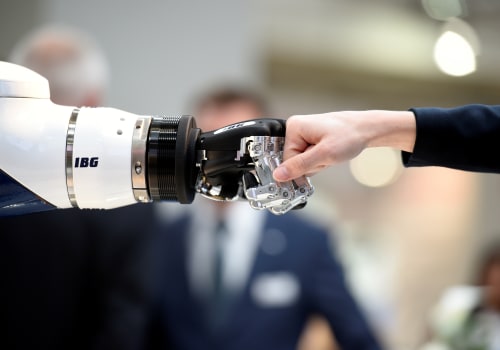
How Artificial Intelligence is Transforming Healthcare
Artificial Intelligence (AI) is making waves across various industries, and healthcare is no exception. From improving diagnostic accuracy to streamlining administrative processes, AI offers numerous benefits. However, when it comes to the nuanced field of adolescent therapy, the human touch remains irreplaceable. Licensed teen therapists continue to play a crucial role, providing personalized care that AI cannot replicate.
The Growing Impact of AI in Healthcare
AI technologies are designed to analyze complex datasets quickly and accurately. In healthcare, this capability is being harnessed in several ways:
- Predictive Analytics: AI can predict patient outcomes by analyzing historical data, allowing for proactive healthcare interventions.
- Diagnostic Assistance: Machine learning algorithms can assist doctors by identifying patterns that may be missed by the human eye, thereby improving diagnostic accuracy.
- Operational Efficiency: AI can automate routine administrative tasks, freeing up healthcare professionals to focus on patient care.
Despite these advancements, the role of human interaction in therapy, especially for adolescents, remains critical.
The Irreplaceable Role of Licensed Teen Therapists
While AI can assist in many areas of healthcare, the emotional and psychological needs of adolescents require the personalized touch that only licensed teen therapists can provide. In Montville, NJ, Guardian Recovery offers specialized services tailored to young individuals navigating complex personal and social issues.
Why Personalized Therapy Matters
Adolescents face unique challenges that require understanding, empathy, and personalized care. Licensed therapists are trained to:
- Build trust and rapport with teenagers, creating a safe space for them to express their thoughts and emotions.
- Develop individualized therapy plans that address the specific needs and experiences of each adolescent.
- Provide coping strategies and support systems that are adaptive to the changing dynamics of a teenager's life.
Q: Why can't AI replace licensed teen therapists?
A: AI lacks the emotional intelligence and personal touch required to effectively engage with adolescents. Licensed therapists provide empathy, understanding, and personalized care that AI cannot replicate.
AI and Human Therapists: A Collaborative Future
The future of healthcare likely involves a collaborative approach where AI and human therapists work together. AI can handle data analysis and operational tasks while therapists focus on what they do best—providing compassionate, personalized care.
Enhancing Therapy Through Technology
AI tools can support therapists by:
- Providing insights into behavioral patterns through data analysis.
- Offering digital platforms for remote therapy sessions, increasing accessibility.
- Assisting in the development of therapy plans by providing evidence-based suggestions.
Ultimately, the integration of AI in healthcare should enhance, not replace, the work of skilled therapists.
Conclusion: Balancing AI and Human Expertise
As AI continues to evolve, it's crucial to strike a balance between technological advancements and the irreplaceable human elements of therapy. At Guardian Recovery, we understand the importance of both and strive to integrate the best of AI with the expertise of our licensed teen therapists. If you're looking for compassionate therapy services for adolescents in Montville, NJ, contact Guardian Recovery today.