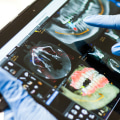
Artificial Intelligence (AI) is transforming the healthcare landscape by enhancing how medical care centers collect, analyze, and apply patient data. Rather than replacing human expertise, AI supports healthcare professionals by identifying patterns, predicting outcomes, and improving diagnostic accuracy. Modern medical care centers are increasingly adopting AI-powered tools to streamline administrative processes, interpret imaging results, monitor chronic conditions, and assist in clinical decision-making. This shift allows providers to move beyond reactive treatment models and toward proactive, personalized care strategies.
AI systems can analyze large volumes of health records, laboratory results, and patient histories within seconds, offering insights that might otherwise take significant time to uncover. By highlighting potential risks and trends, these systems enable clinicians to make more informed and timely decisions.
Data-Driven Diagnostics and Personalized Care
One of the most impactful applications of AI in healthcare is data-driven diagnostics. Machine learning algorithms can assist in interpreting radiology scans, detecting abnormalities in lab results, and flagging early indicators of chronic disease. These tools enhance accuracy and reduce the likelihood of oversight, particularly in high-volume care environments.
At medical centers focused on community care, such as LocalMD Sunset Park, integrating AI-driven insights into routine practice can help tailor preventive strategies and treatment plans. For example, predictive analytics may identify patients at higher risk for hypertension or diabetes, prompting earlier intervention through lifestyle counseling and targeted screenings. This personalized approach supports long-term health outcomes and reduces preventable complications.
Enhancing Operational Efficiency and Patient Experience
Beyond clinical applications, AI also improves operational efficiency. Automated scheduling systems, digital triage tools, and electronic health record optimization reduce administrative burdens and allow healthcare professionals to focus more on patient care. Intelligent chat systems can assist with appointment reminders, medication follow-ups, and answering common patient questions, enhancing communication and accessibility.
Data-driven insights further support resource allocation within medical centers. By analyzing patient flow patterns and treatment trends, administrators can adjust staffing levels and optimize appointment scheduling. This efficiency not only reduces wait times but also improves overall patient satisfaction.
Supporting Preventive and Predictive Healthcare
AI plays a significant role in preventive and predictive healthcare models. Through continuous data monitoring, wearable device integration, and health tracking applications, AI systems can detect early warning signs of health changes. For example, irregular heart rhythms, blood sugar fluctuations, or abnormal sleep patterns can trigger alerts for timely medical evaluation.
Predictive analytics also help providers anticipate broader public health trends. By analyzing aggregated data, healthcare centers can identify seasonal illness patterns, vaccination needs, or community-specific risk factors. This proactive planning strengthens the ability of medical care centers to respond effectively to emerging health concerns.
Ultimately, Artificial Intelligence empowers medical professionals to make more precise, data-driven decisions while maintaining compassionate, patient-centered care. By combining advanced analytics with clinical expertise, healthcare providers enhance diagnostic accuracy, streamline operations, and promote preventive wellness. As technology continues to evolve, AI will remain a vital tool in shaping the future of healthcare delivery, supporting smarter decisions and improved outcomes across diverse patient populations.